Personalised content
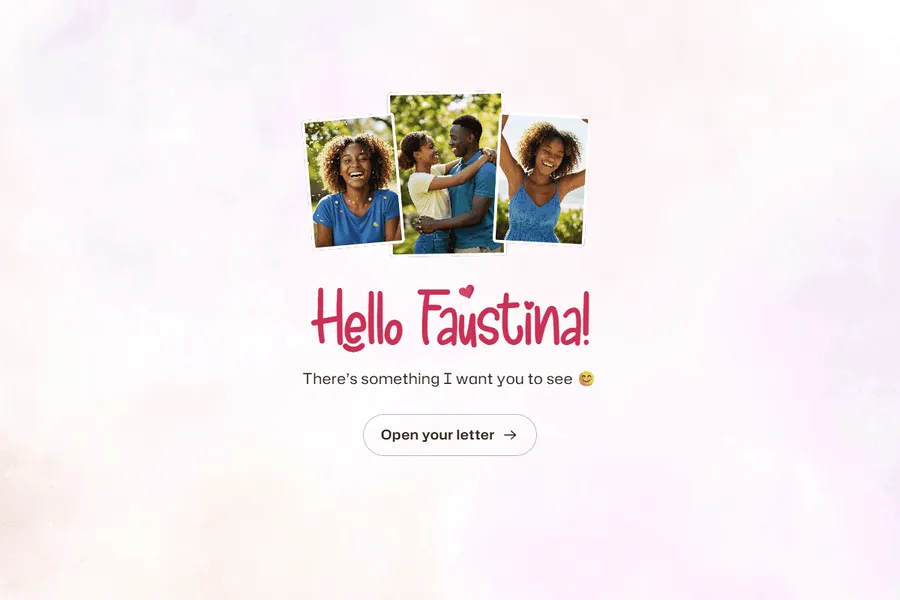
Each page is tailored to the recipient with their name, photos, messages, and audio.
This is a personalised digital gift for people in love. I created Digital Valentine Love Letter as a web product for people who wanted to give their partners something more personal than a text or digital card.
The Idea
The idea started with a birthday website I made for a friend in 2024. She loved the experience, which made me think about how a similar format could work for Valentine’s Day.
In 2025, I turned the idea into my first Valentine product. The response gave me enough confidence to build a better version in 2026.
The goal was simple: help people give their partners a gift that feels personal, thoughtful, and made just for them.
Rather than sending a text, image, or standard digital card, I created a personalised web experience where each person could tell their own story through messages, photos, audio, and interactive sections.
 Open Live Page
Validating the Idea
I asked whether they would enjoy receiving a personalised Valentine website and what they would be willing to pay for it.
Their feedback helped shape the type of content and personalisation I included in the experience.
I did not build a full product before testing the idea. I used what I learned to shape the experience, then tested it again with real customers after launch.
Designing the Experience
I designed it as a sequence of sections that reveal the sender's story over time.
Each page is tailored to the recipient with their name, photos, messages, and audio.
I used simple interactions to make the recipient discover the message rather than read it all at once.
I planned the experience as a storyboard so each section led naturally to the next.
Testing the idea without building a full system
Instead of building an automated system, I handled the customisation myself.
Once a customer paid and shared the content they wanted on the page, I replaced the template content with their information and prepared the final version.
Each page took about15 to 30 minutesto customise.
Customers paid and shared the content they wanted on their page.
I adapted the existing template with each customer's content.
I delivered the finished page as a private link for the recipient.
Turning the idea into a paid product
The product received 24 paid orders, generating ₦240,000 in revenue.
I created a short promotional video that showed the experience and how customers could get their own page.
I shared the video through WhatsApp, Instagram, and X. I did not run paid ads, and most customers came through direct messages and word of mouth.
Customers contacted me through social media to place their orders.
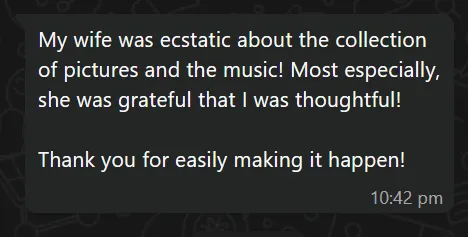
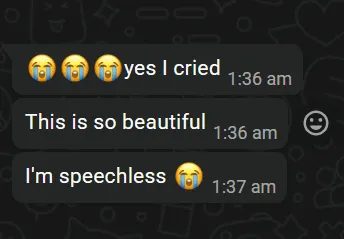
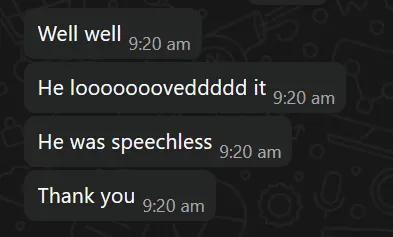
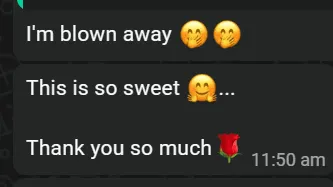
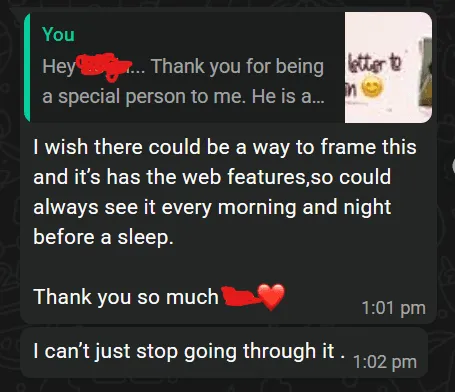
Customers described the experience as thoughtful and personal.
Some customers shared their finished pages with their partners and others.
The Result
24
Paid orders
₦240,000
Revenue
₦0
Spent on paid promotion or hosting
What I Learned
I started with a simple idea, built it in Framer, and used real customer demand to test whether it was worth pursuing. The manual approach let me learn what people valued without spending time or money building a larger system first.
Customer feedback also showed me where the product could improve. Some customers wanted custom sections, while others were less comfortable sharing personal details. These findings now guide the next version, which will give users more control over what they include and how they build their pages.
The product remains live, and I am now working on versions for birthdays, anniversaries, and proposals.
More than anything, the project strengthened my ability to combine product thinking, design, building, and business validation in one process.